Overview
Cold chain logistics is one of the most critical — and most challenging — aspects of pharmaceutical distribution in Egypt. With ambient temperatures regularly exceeding 40°C in summer and a vast geography spanning urban centers to remote governorates, maintaining temperature integrity from port of entry to patient requires robust infrastructure, real-time monitoring, and rigorous GSDP compliance.
Why Cold Chain Matters
Temperature-sensitive pharmaceutical products — including vaccines, biologics, insulin, and certain oncology drugs — must be maintained within strict temperature ranges throughout the supply chain. Even brief temperature excursions can compromise product efficacy, rendering medications ineffective or potentially harmful.
The consequences of cold chain failure include:
- Product loss — financial waste from unusable stock
- Patient safety risks — degraded products that may not deliver the intended therapeutic effect
- Regulatory violations — non-compliance with EDA and WHO storage requirements
- Brand damage — loss of trust with healthcare providers and regulators
Temperature Zones in Pharmaceutical Storage
GSDP-compliant pharmaceutical warehouses in Egypt must support multiple temperature zones:
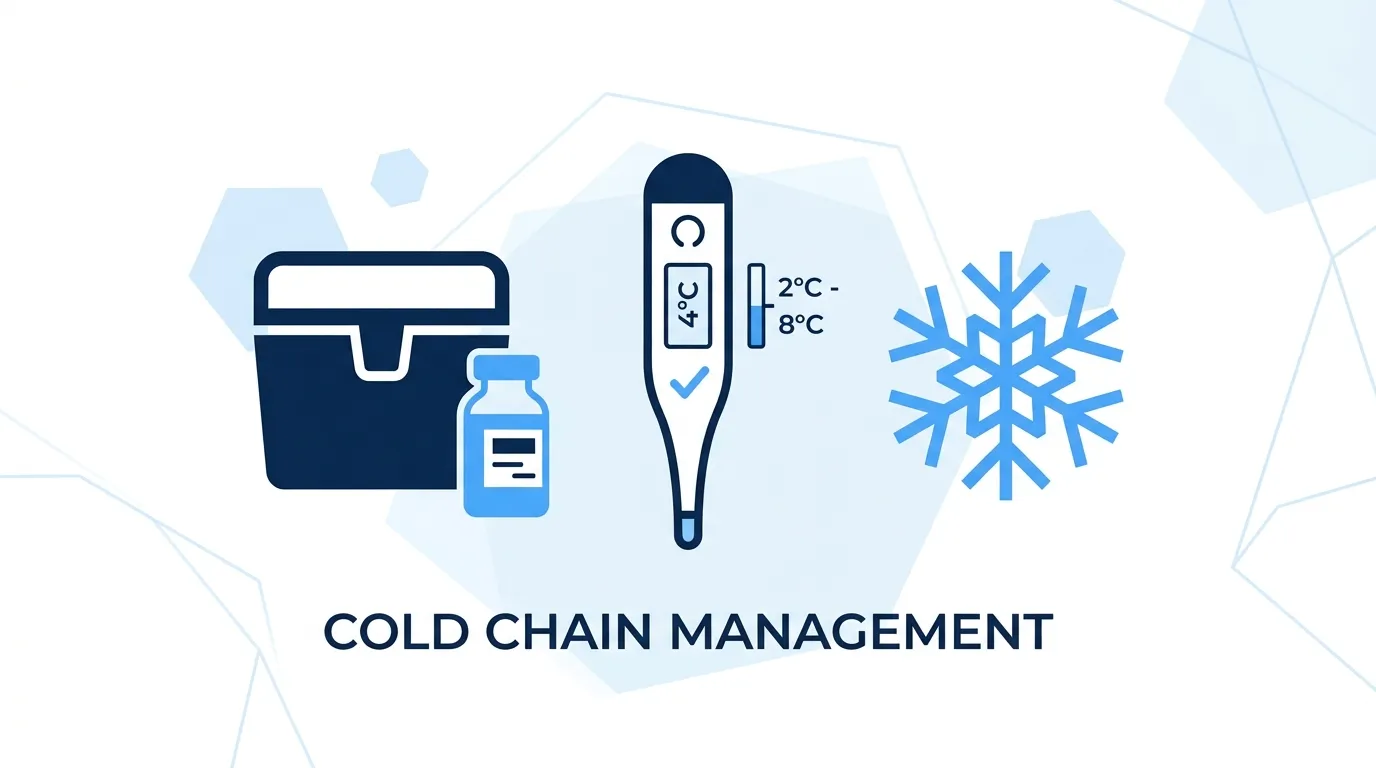
Refrigerated Storage (2–8°C)
Required for vaccines, biologics, certain antibiotics, and insulin products. This is the most critical zone, requiring uninterrupted refrigeration with backup power systems and automated alerts for any deviation.
Controlled Room Temperature (15–25°C)
The standard storage range for most pharmaceutical products. In Egypt's climate, maintaining this range year-round requires industrial climate control systems, particularly during summer months when outdoor temperatures can exceed 45°C.
Frozen Storage (-20°C and below)
Required for specific biological products, certain diagnostic reagents, and some active pharmaceutical ingredients. Dedicated freezer units with independent monitoring systems are necessary.
Ambient Controlled (below 30°C)
Some products specify storage below 30°C without requiring active refrigeration in cooler climates. In Egypt, however, this threshold is frequently exceeded, meaning even "ambient" products often need climate-controlled storage.
Cold Chain Challenges Specific to Egypt
Climate Extremes
Egypt's climate presents unique challenges that don't exist in temperate markets:
- Summer ambient temperatures of 40–48°C in Upper Egypt and desert regions
- Significant temperature differentials between day and night
- High humidity in coastal areas (Alexandria, Port Said) affecting some product formulations
- Dust and sand exposure during transportation
Last-Mile Delivery
Maintaining cold chain integrity during the final delivery stage is particularly challenging:
- Long delivery distances to hospitals and pharmacies in rural governorates
- Traffic congestion in Cairo and major cities extending delivery times
- Limited cold chain infrastructure at some receiving pharmacies and clinics
- Multiple handling points between warehouse and final destination
Power Reliability
While Egypt's power infrastructure has improved significantly, pharmaceutical cold chain operations require:
- Uninterruptible power supply (UPS) systems for all refrigeration units
- Backup diesel generators with automatic failover
- Regular load testing and maintenance of backup systems
- Monitoring alerts that trigger when primary power is interrupted
Cold Chain Solutions and Best Practices
IoT-Enabled Monitoring
Modern cold chain management relies on continuous monitoring technology:
- Temperature data loggers in every storage zone and delivery vehicle, recording at intervals of 15 minutes or less
- Real-time dashboards allowing quality teams to monitor conditions across all locations simultaneously
- Automated SMS and email alerts when temperatures approach excursion thresholds
- Cloud-based records providing complete, tamper-proof audit trails for regulatory inspections
Validated Packaging
Temperature-controlled packaging for transportation must be validated for the expected transit duration and ambient conditions:
- Qualified insulated shippers with validated hold times for Egyptian summer conditions
- Phase-change materials (PCMs) calibrated for the specific product temperature range
- Thermal blankets for ambient products during peak summer transport
- Packaging qualification studies using actual route temperature data
Route Optimization
Efficient routing reduces the time products spend in transit:
- Route planning that minimizes delivery time to temperature-sensitive destinations
- Dedicated cold chain vehicles with active refrigeration for longer routes
- Consolidation strategies that reduce the number of handling points
- Emergency protocols for vehicle breakdowns or unexpected delays
Regulatory Requirements
The EDA and Egyptian GSDP guidelines specify cold chain requirements that include:
- Written procedures for temperature monitoring, deviation management, and corrective actions
- Qualification of all cold chain equipment (refrigerators, freezers, vehicles, packaging)
- Training records for all personnel involved in cold chain handling
- Temperature mapping of storage areas to identify hot and cold spots
- Regular review of temperature monitoring data by qualified personnel
How Epidis Pharma Manages Cold Chain
Epidis Pharma operates GSDP-certified cold chain infrastructure in Cairo with multiple temperature zones, IoT-enabled 24/7 monitoring, backup power systems, and validated cold chain transportation. Our quality team conducts regular temperature mapping, equipment qualification, and route validation to ensure product integrity across the entire supply chain — from port of entry to last-mile delivery.